
-
PRODUCER
New Kiriti FCS
-
VARIETAL
SL 28, K7, Ruiru 11 and Batian
-
COUNTRY
Kenya
-
PROCESS
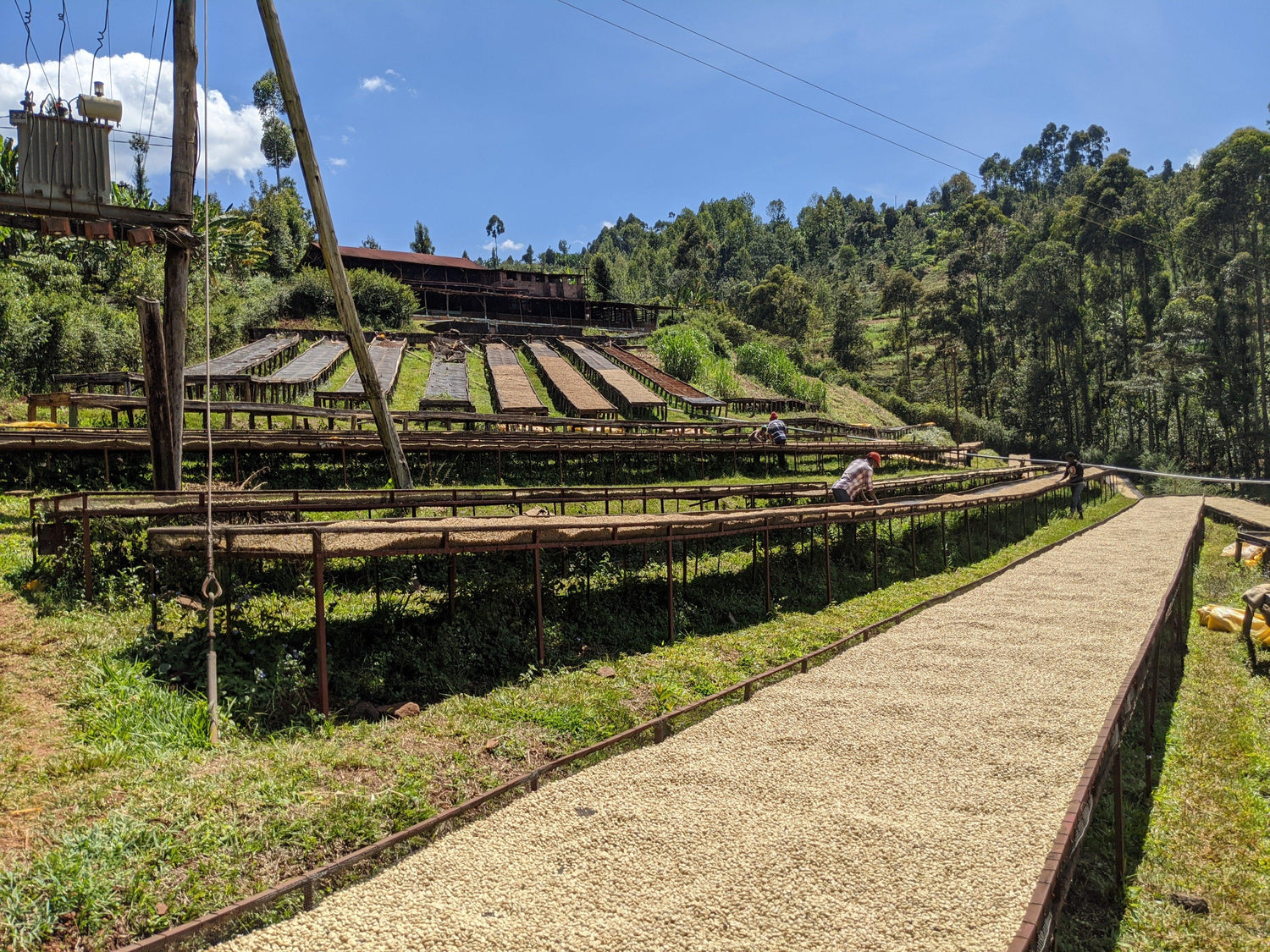
Washed
-
REGION
Murang'a County
-
ROAST LEVEL
Medium-Light
-
ELEVATION
1,900 masl
-
TASTING NOTES
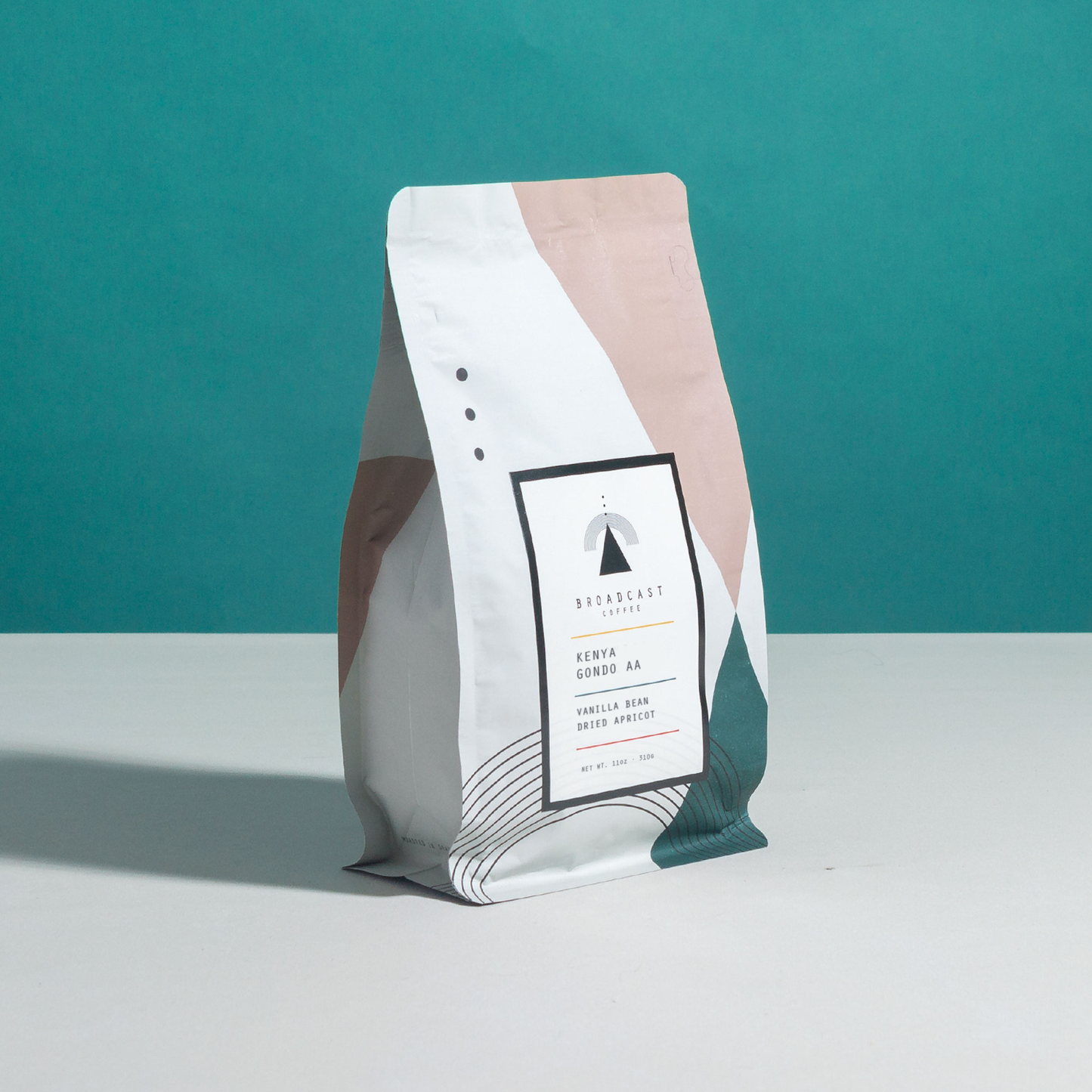
vanilla bean, dried apricot
Cost Transparency
At Broadcast, we believe that transparency is key to building authentic, meaningful & sustainable relationships from seed to cup (along the supply chain). From coffee producers and import partners to our cafe team and amazing customers, our guiding value is to spread love and acceptance every step of the way. We source boutique coffees from family farms & coops. We purchase coffee equitably and value building relationships over profit. We are proud to share a snapshot of what this journey entails and insight into the industry at large.
Cost to Broadcast - $12.25
Green Cost - $6.85
The cost for green coffee is inherently complicated given the vastly diverse global nature of our industry. Without context, green cost alone can have different meanings depending on the step at which money is transferred along with payment and contract terms. We have outlined various industry terms below to provide a framework for varying stages along the supply chain.
Farm Gate: Price paid at farm level to producer or producer community
FOT (Free on Truck): Price paid to exporter, after coffee has been processed and ready to be transferred to port for export.
FOB - Free on Board: Price paid to importer, at outbound port level.
EXW (Ex-warehouse): Price paid to importer at point of arrival at US warehouse
Transportation Cost - $0.16 | $5 to your door
This represents the cost we incurred while the coffee was moved from the producing country to our roastery in Seattle. Costs include shipping, holding, airfreight, trucking.
Additonally, we factor in the cost of shipping from our roastery to your door.
Production Cost - $5.04
This section outlines the costs associated with producing our coffee and getting it to the finish line for your enjoyment!
Fixed Costs:
These are the simple costs of having a business and running our roastery: Rent, utilities (gas, electric, water, internet, phone), business licenses etc. We recently installed a larger custom natural gas roaster allowing us to roast larger batches with further control to dial in the coffee with even more care & attention.
Packaging:
This includes everything that goes into packaging coffee to get from our roaster to your hands: recyclable bag, mailers, bulk shipping boxes, labels, and tape. We strive to create a beautiful aesthetic that matches the intended coffee experience while consistently keeping our environmental impact in mind.
Labor:
We are incredibly proud of our small hard-working team dedicated to our vision of spreading love through great coffee & hospitality. Our goal is to create a stable work environment by providing a living wage, PTO & health insurance . As a queer-owned business, we work to foster a community environment and are proud to provide a safe & inclusive space for LGBTQ+ and other marginalized individuals. We support & encourage creative individual pursuits. We provide light and bright cafe/roastery spaces to temper the Seattle rainy weather. We work really hard, make time for rest, and take care of each other.
Coffee Roasting:
During the roasting process, coffee loses between 10-15% of its weight due to moisture loss. This creates an inherent loss as soon as we transform green coffee into the roasted product we all love! In addition to this process, it takes test batches to dial in our roasting profile and ensure you’re receiving the best version.
Taxes:
Taxes are part of our world and we set aside money every quarter.
Storage & Finance - $0.20
Working with small importers means we sometimes need to cover more of their costs and that includes us covering the cost for holding coffee in storage facilities when we don’t have room at our facility. We also don’t pay for coffee until it’s released from storage, and are charged a finance fee for holding coffee. It’s also easier for us to pay for coffee with a credit card and credit card processing fees are passed onto us as well.
Fair Trade & C Market Cost - $1.80 FT | $3.14 C Market
Fair Trade:
Fairtrade is a global movement to help improve the lives of farmers and workers in developing countries by ensuring that they have access to export markets and are paid a fair price for their products. Fairtrade aims to give farmers stability in this unpredictable environment by offering a Fairtrade Minimum Price, which protects them from sudden price drops. Coffee farmers also receive a Fairtrade Premium - an extra sum of money paid on top of the selling price that farmers and workers invest in business or community projects of their choice. A set portion of the Fairtrade Premium goes toward improving production or quality.
C Market:
The C Market is the global commodity exchange, similar to a stock exchange, where both the physical trade of green Arabica coffee and the trade of coffee futures contracts occurs. The C Market provides a global benchmark price for coffee. While other factors influence the final price that buyers pay for coffee, the fact there is a price reference is essential. Without the C price as a benchmark, determining the price of coffee on a global scale would be very difficult.
Explore our subscriptions
-
Blend Subscription
Regular price From $21.00Regular priceUnit price per -
Roasters Choice Wild Subscription
Regular price From $22.00Regular priceUnit price per -
Roasters Choice Balanced Subscription
Regular price From $22.00Regular priceUnit price per -
Crossfade Subscription
Regular price From $21.00Regular priceUnit price per